
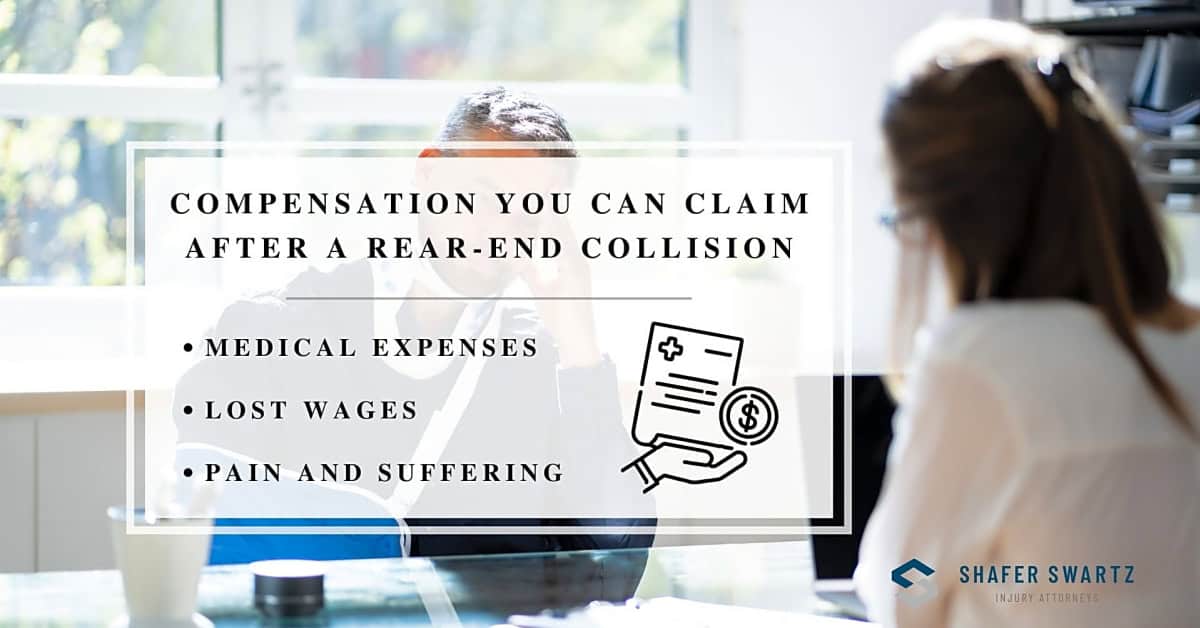
Lost Wages: Understanding Compensation After a Rear-End Collision
Car accidents can be a traumatic and overwhelming experience, especially when it results in injuries and damages. In addition to the physical and emotional toll, there is also the financial burden of lost wages due to the accident. This is particularly true in cases of rear-end collisions, where the victims may suffer from neck and back injuries, causing them to miss work and lose out on their regular income.
Seeking compensation for lost wages after a car accident can be a complex and confusing process. However, it is crucial to understand the options available to you in order to receive the compensation you deserve. This article will delve into the concept of lost wages and provide a comprehensive guide on how to seek compensation for them.
Whether you are the victim of a rear-end collision or someone seeking information on behalf of a loved one, this article will provide valuable insights on understanding compensation for lost wages. So, read on to learn more about this important aspect of seeking compensation after a car accident.
First, it is important to understand what lost wages are. Lost wages refer to the income that you were unable to earn due to injuries sustained in a car accident. This can include time off work, reduced work hours, or even loss of employment.
In order to seek compensation for lost wages, you will need to provide proof of your lost income. This can include pay stubs, tax returns, or a letter from your employer.
Another important aspect to consider is car insurance coverage. Depending on your insurance policy, you may have coverage for lost wages under the personal injury protection (PIP) portion of your policy. If the other driver was at fault for the accident, their insurance may also cover your lost wages. It is important to speak with your insurance provider and the other driver’s insurance company to understand your coverage options.
When seeking compensation for lost wages, it is also crucial to understand the common injuries associated with rear-end collisions. Whiplash is one of the most common injuries and can result in significant time off work. Other injuries may include head trauma, back pain, or broken bones. It is important to seek medical attention as soon as possible after the accident and keep all documentation of your injuries for your compensation claim.
To prevent rear-end collisions, it is important to always maintain a safe distance between your vehicle and the vehicle in front of you. Avoid distractions while driving and stay alert to potential hazards on the road. If you are involved in a rear-end collision, remember to stay calm and assess any injuries before taking any further action.
In conclusion, being hit from behind in a car accident can have a significant impact on your finances, especially if you have suffered lost wages. It is important to understand your options for seeking compensation and to gather all necessary documentation to support your claim. By following these tips, you can protect yourself and your finances in the event of a rear-end collision.
Understanding Lost Wages
Lost wages refer to the income that you have lost as a result of being unable to work due to your injuries from a rear-end collision. This can include both current and future wages, as well as any bonuses or other benefits that you would have earned if not for the accident.
To seek compensation for lost wages, you will need to provide evidence of the income that you have lost. This can include pay stubs, tax returns, and statements from your employer confirming your salary and time missed from work due to the accident.
It is important to note that lost wages are not limited to just your regular salary. You may also be able to seek compensation for any sick or vacation time that you had to use for your recovery, as well as any commissions or overtime that you missed out on.
If you are self-employed, you can still seek compensation for lost wages by providing documentation of your earnings before and after the accident, as well as any contracts or projects that you were unable to complete due to your injuries.
By understanding what lost wages are and how to seek compensation for them, you can ensure that you are properly compensated for all financial losses resulting from a rear-end collision. It is important to work with an experienced personal injury lawyer who can help you navigate the process and fight for the compensation you deserve.
Car Insurance Coverage
After a rear-end collision, one of the first things that may come to mind is how you will be compensated for your lost wages. In many cases, car insurance coverage can play a crucial role in seeking compensation for lost wages.
There are several types of car insurance coverage that may come into play in a rear-end collision situation. The first is liability insurance, which covers the cost of damages and injuries to the other party if you are found at fault for the accident. This may include compensation for their lost wages if they were unable to work due to injuries sustained in the collision.
If you have collision coverage, this can also help cover your lost wages. Collision coverage typically covers the cost of repairing or replacing your vehicle, but it may also cover lost wages if you are unable to work while your vehicle is being repaired.
In some cases, personal injury protection (PIP) or medical payments (MedPay) coverage may also provide compensation for lost wages. These types of coverage typically cover medical expenses and lost wages for both parties involved in a car accident.
It is important to carefully review your car insurance policy to understand what type of coverage you have and how it can help compensate for lost wages after a rear-end collision. You may also want to consider speaking with a lawyer or your insurance provider for further guidance on seeking compensation for lost wages.
Common Injuries in Rear-End Collisions
Rear-end collisions can cause a variety of injuries, some of which can result in lost wages for the victim. These injuries can range from minor to severe, and it is important to understand the potential impact they may have on your ability to work and earn an income.
One of the most common injuries in rear-end collisions is whiplash. This occurs when the head is suddenly jerked forward and then back, causing strain on the neck muscles. Symptoms of whiplash may include neck pain, stiffness, headaches, and dizziness. In severe cases, it can even lead to chronic pain and difficulty performing everyday tasks.
Another common injury is a back injury, which can result from the force of impact pushing the body forward and causing strain on the spine. This can lead to pain and limited mobility, making it difficult for individuals to perform their job duties.
Head injuries, such as concussions, are also common in rear-end collisions. These can result from hitting the head on the steering wheel, dashboard, or other objects inside the vehicle. Symptoms of a concussion may include headaches, confusion, dizziness, and memory loss. Depending on the severity of the injury, it may require time off work for recovery.
In addition to physical injuries, rear-end collisions can also cause psychological trauma. The sudden impact and resulting injuries can be emotionally overwhelming for some individuals, leading to anxiety, depression, and post-traumatic stress disorder (PTSD). These mental health issues can also impact one’s ability to work and earn an income.
If you have suffered any of these common injuries in a rear-end collision, it is important to seek medical attention as soon as possible. Not only for your physical well-being but also to have documentation of your injuries for potential compensation claims.
Preventing Rear-End Collisions
Rear-end collisions are some of the most common types of car accidents, and they can often be prevented by taking proper precautions while driving. These steps may seem simple, but they can make a big difference in avoiding a rear-end collision:
- Maintain a safe following distance: One of the main causes of rear-end collisions is tailgating. It’s important to maintain a safe distance from the car in front of you, especially when driving at high speeds.
- Stay alert: Distracted driving is another leading cause of rear-end collisions. Avoid distractions such as texting, eating, or adjusting the radio while driving.
- Use turn signals: Letting other drivers know your intentions by using your turn signals can prevent confusion and potential collisions.
- Keep your vehicle in good condition: Regularly check your brakes, tires, and other important components of your vehicle to ensure they are working properly. This can help prevent accidents caused by faulty equipment.
By following these simple steps, you can greatly reduce the chances of being involved in a rear-end collision. However, accidents can still happen even when all precautions are taken. In such cases, it’s important to know your options for seeking compensation for any resulting losses, such as lost wages.
Being involved in a rear-end collision can be a traumatic experience, both physically and financially. Lost wages can add additional stress to an already difficult situation, but by understanding your options and seeking proper compensation, you can ease some of the financial burden. Remember to always prioritize your safety and seek medical attention if needed.